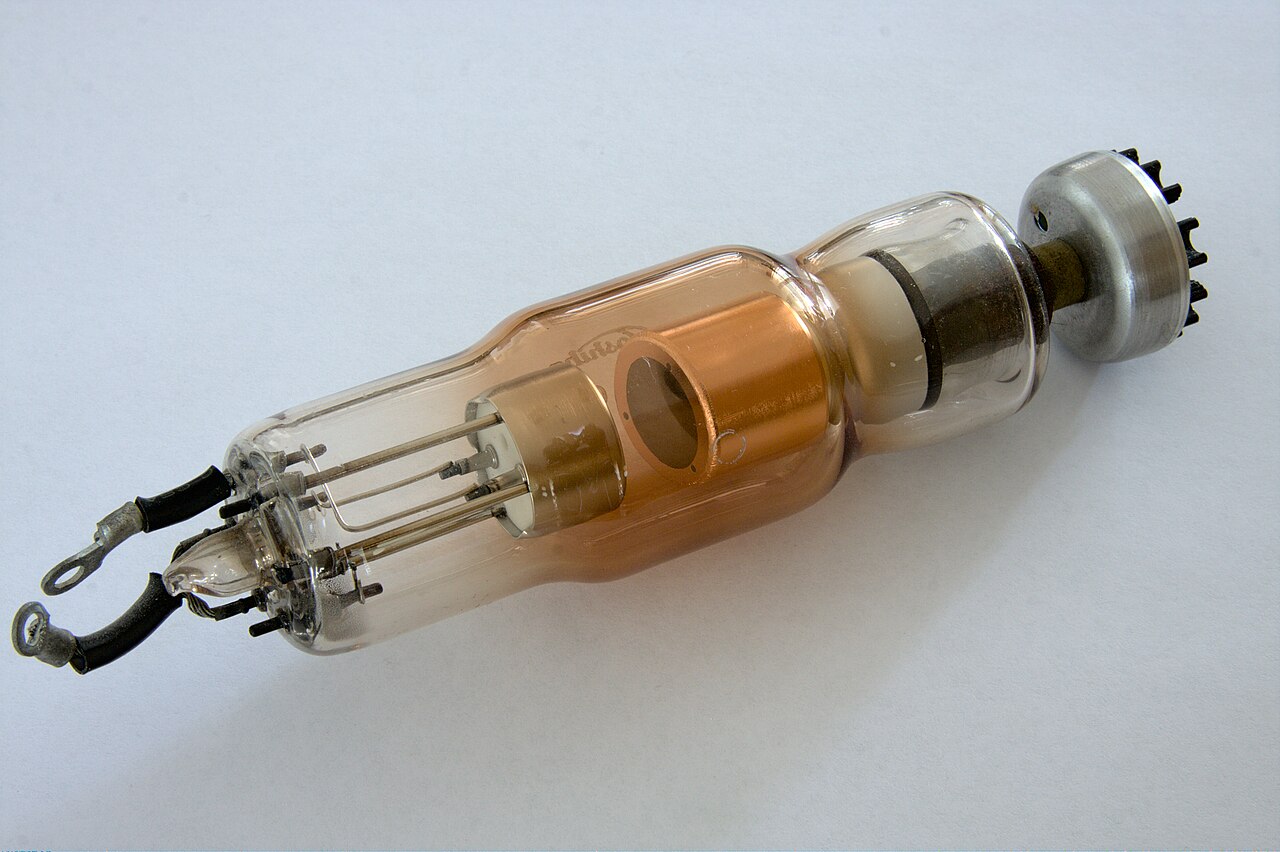
Modern imaging and inspection technologies depend on highly precise electrical systems that convert electrical energy into controlled radiation. At the core of this process is the X ray tube power supply, which requires a stable and carefully engineered power delivery setup to function effectively. The performance of this system directly impacts image clarity, safety, and operational efficiency across various industries. Understanding how it works is essential for applications such as medical imaging, security screening, food inspection, and non-destructive testing.
The system relies on controlled voltage, current regulation, and accurate electron acceleration to produce consistent X-ray output. This guide explains the key components and working principles of an X-ray tube power system in a simple, structured, and easy-to-understand manner for better technical clarity.
Introduction to X-Ray Power Systems
An X-ray system does not work on direct electricity alone. Instead, it depends on a controlled electrical setup that converts low-voltage input into extremely high voltage required for electron acceleration.
The X-ray tube power supply plays a critical role in ensuring that voltage, current, and timing are precisely regulated. Without this system, the X-ray tube cannot generate stable or usable radiation output.
Similarly, the X-ray machine power supply is responsible for coordinating multiple subsystems, including filament heating, high-voltage generation, and safety monitoring.
Basic Principle of X-Ray Generation
X-rays are produced when high-speed electrons collide with a metal target inside the tube. The energy required to accelerate these electrons is supplied by the power system.
The process includes three key steps:
- Electron emission from a heated filament
- Acceleration using high voltage
- Sudden deceleration at the target produces X-rays
The power supply system ensures each of these steps occurs with stability and precision.
Main Components of X-Ray Tube Power Supply System
The system is built using multiple interconnected units, each serving a specific function.
High Voltage Generator
This is the most important part of the system. It converts standard AC input into extremely high voltage, typically ranging from tens to hundreds of kilovolts.
Its role is to provide the potential difference between cathode and anode, enabling electron acceleration. The stability of this section directly affects image quality and radiation consistency.
Filament Heating Circuit
The filament circuit provides low voltage but high current to heat the tungsten filament inside the cathode.
When the filament reaches high temperature, it releases electrons through thermionic emission. The control of filament current determines the number of electrons emitted, which directly affects X-ray intensity.
This circuit is a crucial part of the overall X ray machine power supply system.
Control Unit
The control unit acts as the brain of the system. It regulates voltage, current, and exposure time based on user input.
It also ensures synchronization between different components, preventing overload or unsafe operating conditions. Modern systems include digital feedback loops for better accuracy and stability.
High Voltage Transformer
This transformer steps up the input voltage to the required high-voltage level. It operates on electromagnetic induction principles.
The transformer must maintain insulation and stability under extreme voltage conditions to avoid breakdown or leakage.
Rectifier and Filter Circuit
After voltage is stepped up, it is converted from AC to DC using rectifiers.
The filter circuit smooths out fluctuations, ensuring a stable and ripple-free high voltage supply. This is important for consistent electron acceleration and stable X-ray output.
Cooling and Protection System
Since most energy in X-ray systems converts into heat, cooling is essential.
The system includes:
- Oil cooling or air cooling units
- Thermal sensors
- Overload protection circuits
These components prevent overheating and protect the X-ray tube from damage during continuous operation.
Working of the X-Ray Tube Power System
The operation of the system can be understood in a step-by-step manner:
Step 1: Power Input Conversion
The system receives AC power and converts it into controlled low-voltage DC.
Step 2: Filament Heating
The filament circuit heats the cathode to release electrons.
Step 3: Voltage Boosting
The high-voltage generator increases the potential difference between the cathode and anode.
Step 4: Electron Acceleration
Electrons are accelerated toward the anode at extremely high speed.
Step 5: X-Ray Production
On impact with the target, electrons lose energy, producing X-rays.
Step 6: Output Regulation
The control system ensures that output remains stable and safe.
This entire process is precisely managed by the X-ray tube power supply, ensuring accurate imaging results.
Importance of Stability in Power Supply Systems
Stability is the most critical factor in X-ray systems. Even small fluctuations can lead to:
- Poor image quality
- Excessive radiation exposure
- Equipment damage
- Inaccurate inspection results
The X-ray machine power supply is therefore designed with advanced feedback and protection mechanisms to maintain consistent performance under varying load conditions.
Applications of X-Ray Power Systems
These systems are widely used in multiple industries:
- Medical imaging, such as CT scans and radiography
- Airport and cargo security screening
- Industrial non-destructive testing
- Food contamination inspection
- Electronics component analysis
Each application requires different voltage and current settings, all controlled through advanced power supply systems.
Advantages of Modern Power Supply Technology
Modern X-ray power systems offer several benefits:
- High precision voltage control
- Improved safety mechanisms
- Compact design with higher efficiency
- Better thermal management
- Enhanced reliability and lifespan
These improvements have made X-ray systems more efficient and safer for industrial and medical use.
Conclusion
The X-ray tube system is a highly engineered combination of electrical and mechanical components working together to produce controlled radiation. The power supply system is the foundation of this technology, ensuring accurate voltage regulation, stable electron flow, and safe operation. Understanding the X ray tube power supply and the X-ray machine power supply helps in appreciating how complex imaging and inspection systems function reliably in critical applications.
Advanced X-ray technology providers like VJ X-Ray specialize in designing and manufacturing integrated X-ray sources and high-voltage generator systems used in security inspection, industrial testing, medical imaging, and analytical applications. Their expertise includes high-voltage power supplies, X-ray source integration, and customized engineering solutions tailored for OEM requirements. With strong technical experience and global presence, they deliver reliable and high-performance systems that support modern imaging needs across industries, ensuring precision, stability, and innovation in X-ray technology.