As businesses enter the digital era, cybersecurity has become one of the most crucial issues for modern companies. To safeguard confidential data, ensure business continuity, and mitigate cyber threats, businesses, governments, and institutions are more and more in sophisticated security systems. With the rapidly evolving technology market and an increasingly complex threat surface, growing public awareness and focus on cybersecurity summit discussions reflect how organisations engage in research and development of innovative solutions to defend against threats and strengthen their cybersecurity posture through threat intelligence and collaboration.
However, in today’s age of sophistication, when Cyberattacks are getting increasingly sophisticated, organisations can no longer operate with the “old” types of security measures and must shift towards the new and proactive types, such as the use of technology, employee awareness, and compliance with risk management. In recent years, modern infrastructures of cybersecurity have increasingly embraced resilience, real-time monitoring, automation, and cross-industry collaboration in order to protect and fortify digital infrastructure to keep businesses alive in a more connected business world.
The Rising Influence of Cybersecurity Summit Platforms in Digital Security
Cooperation, innovation, and an attitude of learning are essential to organisations that are globalised in today’s cyber security environment. By connecting with others and participating in leading security conversations at industry and global security events, businesses can learn more about the evolving threats and become more resilient.
1. Importance of Industry Collaboration and Knowledge Sharing
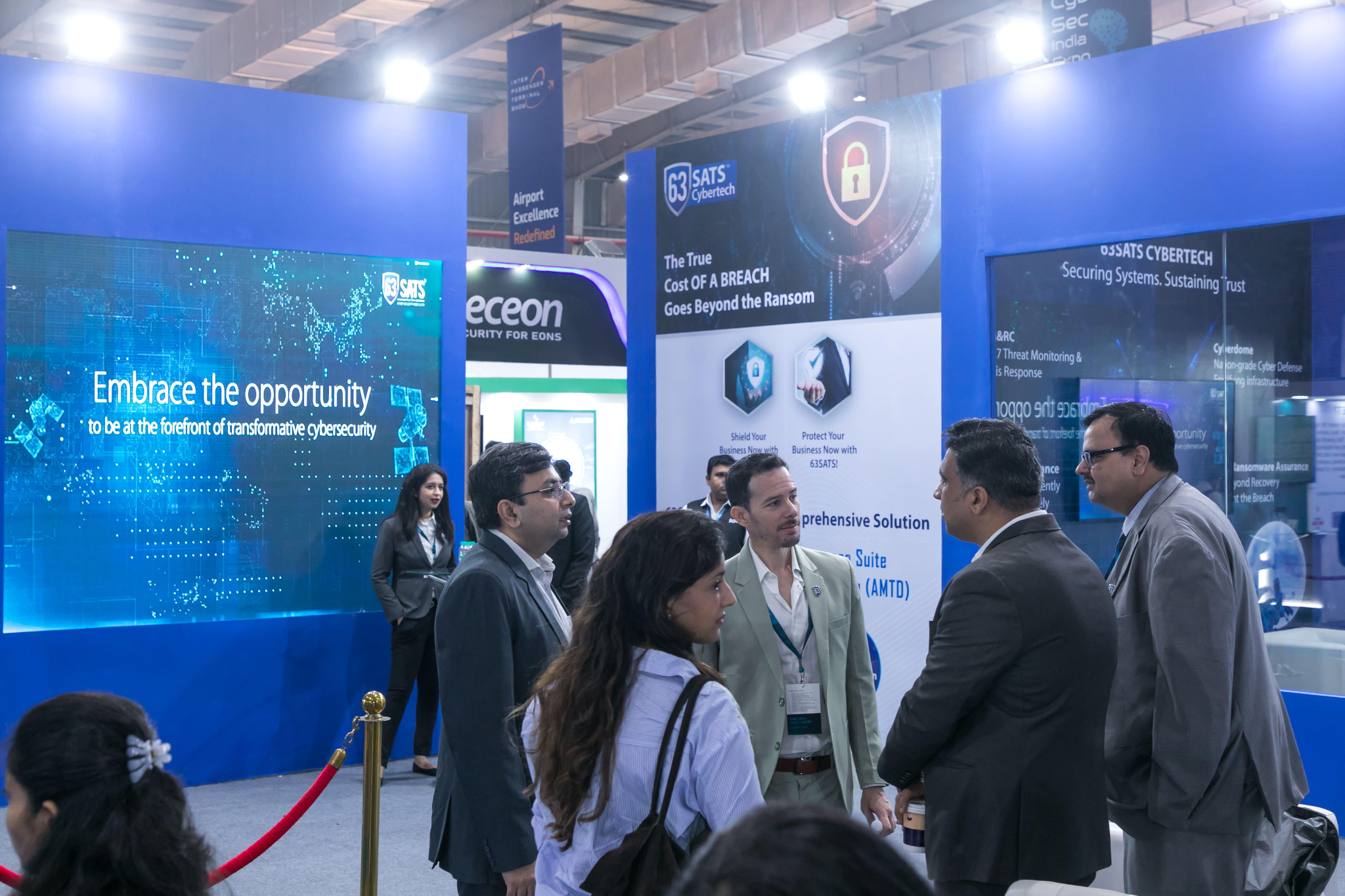
But cybersecurity is no longer solely an IT worry; it’s an issue for industry, government, and tech providers. Security exhibitions and events are an opportunity for organizations to share their experiences and explore emerging threats and best practices. This synergic approach can assist companies in the unification of Security, and even their preparedness and readiness to deal with cyber technological threats and vulnerabilities.
2. Cloud Security Frameworks: Expanded Importance
Digitisation is gaining traction more rapidly via the cloud, and it has also brought forth new security issues. Protecting a company’s remote access systems, cloud applications, and distributed data environments against unauthorised access and cyber threats is a must. Modern cybersecurity infrastructure tends to be more concerned with the security of cloud, identity control, encrypted technology, and secure configurations of infrastructure.
3. Enhancing Organisational Cyber Resilience
The goal of cyber resilience is continuity of business operations in the face of a cyber event. How to reduce the impact of incidents by employing backup systems, disaster recovery (DR) plans, and incident response (IR) models. With today’s smart cybersecurity summit strategies, it’s all about resilience – preparation: prepared to prevent, respond: capable of responding, and recovery: resilient enough to recover from an attack and ensuing outages, without devastating financial, operational, and reputational damage to the business.
How Modern Security Discussions Shape Innovation
Today, organisations are moving towards adopting more ‘intelligent’ cybersecurity practices to boost their capacity and capability to prevent, detect, and respond. The cybersecurity summit community is continuing to debate how to maximise business strategies for digital resilience and operational protection.
1. Enhancing Threat Intelligence Capabilities
Threat intelligence offers businesses valuable information regarding a cyber threat, so valuable information that it can help them take steps to address and combat it when it appears, which is more likely to prevent a serious security breach. The buzz about security is currently all about a real-time exchange of intelligence, anticipatory analysis, and joint observational constructs, which would enable cognisance or response action at the organisational level before new cyber threats emerge.
2. Automation Improving Security Operations
Automation technologies assist companies in cutting down routine cybersecurity operations like vulnerability scanning, patch control, and monitoring threats. The automated processes enhance efficiency of operation, minimise human error, and speed up incident response. The automated tools will be able to do normal security functions while security teams can engage in more strategic analyses.
3. Cybersecurity Compliance and Regulatory Awareness
Companies have to adhere to changing cybersecurity laws, data privacy laws, and industry-based compliance regulations. Security forums represent a great opportunity for companies to learn about expectations of the regulators, improve their security governance, and assess their systems that have to be compliant to reduce legal and business risks and better protect their valuable customer data.
Digital Transformation and the Evolution of Cybersecurity Frameworks
With organisations still embracing the adoption of modern and sophisticated digital technologies, cybersecurity frameworks have to adapt to emerging new realities of operation. Cloud Computing, IoT (Internet of Things) solutions, remote working solutions, and AI solutions require more resilient and flexible security solutions.
Nowadays, in the more advanced cybersecurity models, the focus goes into multifaceted defence strategies, identification, prescriptive threat intelligence, and active surveillance. People prefer agile security systems to face the changing cyber threats in a distributed digital environment rather than security on boundaries.
As interconnected devices and cloud computing have been rapidly growing, it has also increased the need for scalable security solutions to go along with. Businesses need to always assess vulnerabilities and enhance the resilience of their infrastructure, while keeping their cybersecurity efforts in line with long-term objectives of digital transformation to secure the continuity of business operations and maintain customer trust.
Conclusion
The current Cyber Security world is extremely dynamic, and organisations are facing the continuing rise of Cyber threats, challenges, and increasingly more advanced Cyber operations. Today’s cybersecurity strategy initiatives, like those in AI/cybersecurity, compliance management, and resilience planning, are central to securing business, governments, and critical infrastructure. The possible effects of the cybersecurity strategy, in case it is developed in the future, accentuate the importance of active defence and innovation that can be combined with cooperation to foster the safe digitalisation of industries.
PhilSec summit is a platform for cybersecurity practitioners, experts, and leaders to share their insights on new cybersecurity technologies, threat intelligence, and cyber defence trends. With a focus on collaboration and innovation, the discussions and insights shared during them. They aim to equip the industry with the tools and knowledge needed to strengthen cybersecurity resilience, improve the security of operations, and plan for the future of digital risk management.