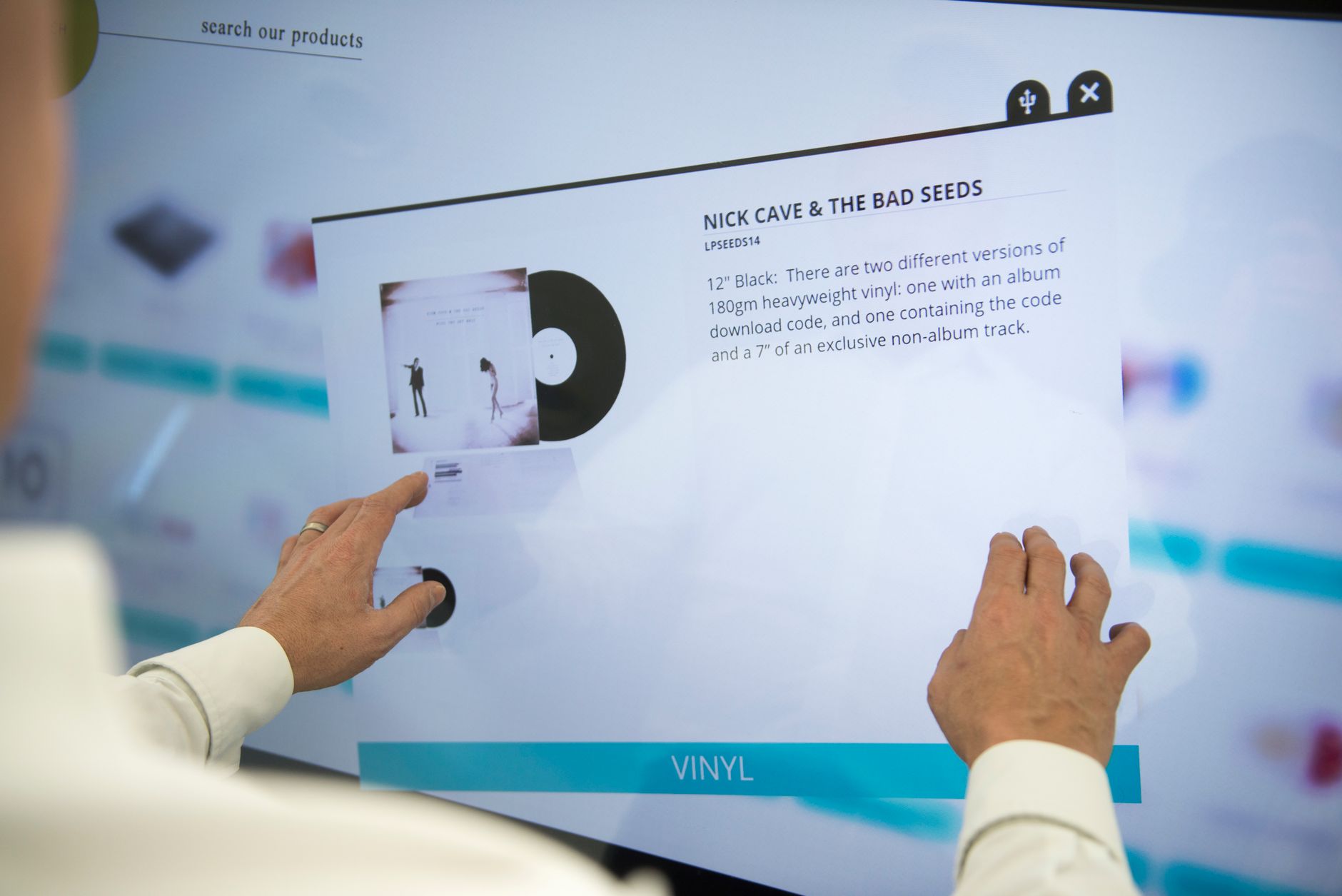
The modern music audience values fast, organized, and convenient access to audio content across connected devices. A platform such as https://mp3.cc reflects this broader shift by presenting music discovery around searchable tracks and recognizable artist information. From a statistics perspective, the important story is not only how often listeners access music, but also how they discover songs, return to familiar releases, and interact with digital libraries. These patterns help explain why clear navigation, reliable pages, and accessible content remain important to the online listening experience.
In This Article
- Music Discovery and Search Behavior
- The Role of Mobile Listening
- Artist and Track Engagement
- Content Organization and Accessibility
- What Music Statistics Can Reveal
- Conclusion
Music Discovery and Search Behavior
Search remains one of the most common ways listeners find a specific song. Instead of browsing a catalog, users may begin with an artist, track title, featured performer, or familiar phrase. This behavior creates measurable signals around search frequency, page visits, repeat sessions, and content engagement. A well-structured music page can support these actions by making essential information easy to identify.
From a statistical viewpoint, search behavior can reveal the difference between intentional listening and casual discovery. A direct artist-and-track search often indicates that a listener already knows what they want. Broader searches may suggest exploration. Monitoring these patterns helps digital platforms understand how audiences move from discovery to listening.
The Role of Mobile Listening
Mobile devices have changed how people interact with music throughout the day. Listeners can search for tracks while commuting, working, exercising, studying, or relaxing. Because mobile sessions can be brief and frequent, page performance and straightforward design become important indicators of user satisfaction.
A statistics-based review of mobile activity can consider session duration, return visits, search actions, and device compatibility. These measurements can help identify whether a platform provides a smooth experience across different screen sizes. Consistent presentation also makes it easier for users to recognize track information without unnecessary steps.
Artist and Track Engagement
Artist-focused searches remain a strong component of digital music discovery. When a song includes multiple recognizable performers, users may search using either the primary artist or a featured name. This creates additional pathways toward the same content and can increase the visibility of related music.
Track engagement can be evaluated through page activity, repeat visits, search frequency, and listening behavior. These indicators offer a practical view of audience interest without relying solely on popularity claims. Over time, repeated patterns can show which types of songs attract sustained attention and which releases generate short-lived curiosity.
Content Organization and Accessibility
Clear organization is essential for any music-focused website. Users benefit when titles, artist details, categories, and navigation elements are presented consistently. A structured page can reduce confusion and support faster discovery, especially when listeners already have a specific track in mind.
Accessibility also matters because audiences use different devices, connection conditions, and browsing habits. A platform should prioritize readable text, responsive layouts, functional navigation, and dependable page behavior. These factors influence whether visitors remain engaged or leave before finding the content they intended to explore.
What Music Statistics Can Reveal
Digital listening statistics provide more than simple popularity indicators. They can show recurring interests, discovery routes, device preferences, and engagement patterns. For publishers and platform managers, this information can guide improvements in navigation, content presentation, and search functionality.
For listeners, these trends demonstrate how personal music habits are becoming increasingly connected to digital discovery. The growth of searchable libraries has made it easier to move between familiar artists and new tracks. At the same time, users continue to value simplicity, speed, and dependable access.
Conclusion
The digital music landscape is shaped by measurable user behavior as much as by individual listening preferences. Search activity, repeat visits, mobile usage, track engagement, and content organization all contribute to an understanding of audience needs. Platforms that pay attention to these signals can create a more practical and accessible listening environment. As music discovery continues evolving, professional presentation and user-focused design will remain important factors in helping listeners find and enjoy the audio content they seek.
What You Need to Know
- The modern music audience prefers fast and convenient access to audio content across various devices.
- Search is the most common method for listeners to find specific songs, often starting with an artist or track title.
- Mobile devices have transformed music interaction, with session performance and design critically influencing user satisfaction.
- Artist-focused searches can create multiple pathways to the same content, enhancing the visibility of related music.
- Clear content organization and accessibility are essential for user engagement on music-focused websites.
- Digital music statistics reveal patterns in user behavior that can inform improvements in navigation and content presentation.