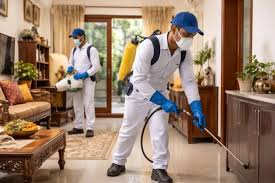
Food storage facilities and residential pantries face constant threats from destructive pests that compromise health and financial security. Studies show that a significant portion of global stored product losses can be attributed to the cigarette beetle, an insect known for its voracious appetite for dried goods. Understanding the statistical impact of these pests is essential for implementing robust, long-term protection strategies.
Industry data indicates that without proper intervention, pantry pest populations can increase exponentially within just a few weeks. Facility managers and homeowners alike must rely on proven treatment methods to mitigate these risks and safeguard valuable inventory.
What percentage of stored product infestations are caused by this insect?
Recent agricultural and pest management surveys suggest that up to 30% of dried tobacco, spice, and pantry food infestations involve this specific species. They are highly adaptable, thriving in environments with temperatures between 70 and 90 degrees Fahrenheit. Because a single female can lay up to 100 eggs in one life cycle, statistical models demonstrate that early detection is the single most critical factor in preventing widespread commercial or residential contamination.
How do extreme temperatures impact their survival rates?
Thermal eradication is one of the most statistically successful methods for long-term protection. Research demonstrates a 100% mortality rate across all life stages, including eggs, larvae, pupae, and active adults, when infested products are exposed to temperatures below 0 degrees Fahrenheit for a minimum of six consecutive days.
Conversely, heat treatments raising the ambient temperature above 120 degrees Fahrenheit for several hours also yield a near-perfect eradication rate. These temperature-based approaches represent a highly effective, chemical-free solution for sensitive food storage environments.
What is the efficacy rate of pheromone monitoring systems?
Pheromone traps are indispensable tools in modern pest management frameworks. Statistical analysis of commercial storage facilities reveals that implementing a strategic grid of pheromone traps reduces severe outbreak occurrences by over 60%.
These traps do not eliminate an entire population on their own, but they provide critical quantitative data. By capturing active males, facility managers can accurately map the exact location of the breeding source and apply targeted treatments before the population multiplies beyond control.
Which chemical treatments provide the best statistical outcomes?
When non-chemical methods fall short, targeted chemical interventions become necessary. Insect growth regulators have shown remarkable success in long-term facility management. Clinical pest control trials indicate that applying these regulators reduces successive generation populations by up to 85%.
These specialized treatments work by disrupting the normal life cycle, preventing larvae from maturing into breeding adults. For an immediate knockdown of active adult populations, residual insecticides applied directly to structural cracks and crevices provide up to 90 days of continuous protection, ensuring that newly hatched pests are dealt with promptly.
How does sanitation influence long-term protection metrics?
The correlation between strict sanitation protocols and pest reduction is undeniable across the industry. Facilities that enforce weekly deep-cleaning schedules report a 75% lower incidence of recurring infestations compared to those with relaxed cleaning standards.
Removing spilled flour, spices, pet food, and dried organics eliminates the primary food sources required for rapid larval development. Combining rigorous cleaning routines with sealed, airtight storage containers is statistically proven to be the most cost-effective preventative measure available today.
Securing Your Space Against Future Infestations
Protecting your home or commercial facility requires a multi-faceted approach grounded in proven statistical success. By combining temperature treatments, comprehensive pheromone monitoring, strategic chemical applications, and impeccable sanitation, you create an environment where destructive pests simply cannot survive.
Evaluate your current storage and cleaning practices today and begin implementing these top trending treatment methods. Proactive management and regular environmental monitoring remain the most reliable ways to guarantee long-term protection and maintain total peace of mind.