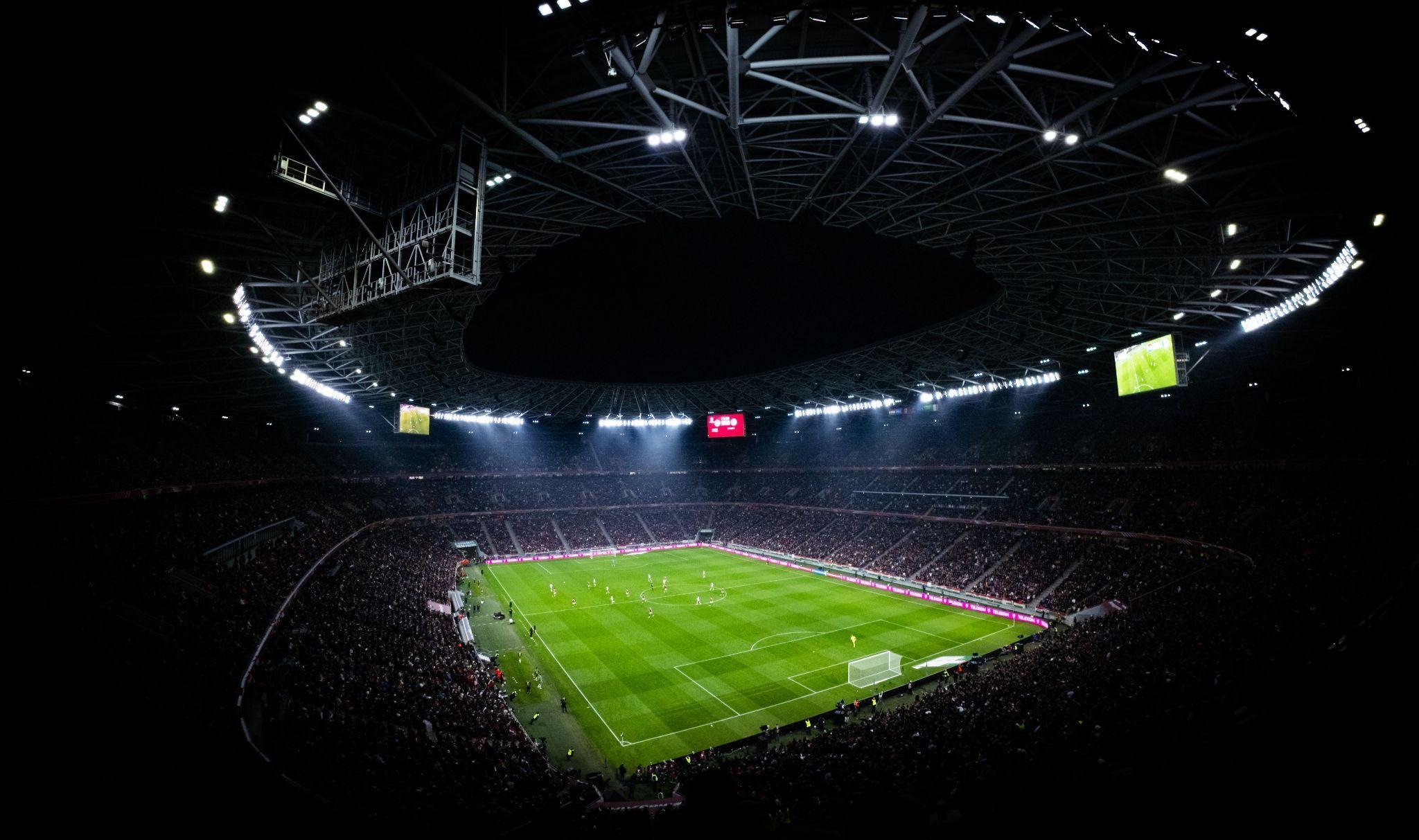
Modern sports venues are no longer just physical spaces where matches are played. They have evolved into highly digital ecosystems where every movement, transaction, and fan interaction generates valuable information. This transformation is powered by advanced analytics, sensors, and real-time systems that support intelligent stadium solutions designed to improve operations, safety, and fan engagement.
At the heart of this shift is data. From ticket booking to crowd movement, data is continuously collected and processed to create smarter decisions inside stadiums. With growing demand for seamless fan experiences, venue operators are increasingly adopting smart stadium technology to unify all stadium systems into a single intelligent network.
The Role of Data in Modern Stadiums
Data is the foundation of stadium intelligence. Every visitor who enters a venue contributes to a digital footprint. This includes entry timing, seat location, purchase behavior, movement patterns, and even engagement with digital screens.
Using this information, stadium operators can design smart stadium solutions that help in:
- Predicting crowd flow and reducing congestion
- Improving security response time
- Enhancing concession and retail operations
- Delivering personalized fan experiences
Without data, stadium management remains reactive. With data, it becomes predictive and proactive.
Connected Systems Creating Smarter Venues
The rise of smart stadium technology has allowed different systems within a stadium to communicate with each other in real time. This includes ticketing systems, surveillance cameras, lighting controls, digital signage, and Wi-Fi networks.
When these systems are integrated, they form a unified digital infrastructure. This allows operators to monitor and manage the entire stadium from a centralized dashboard.
For example, if a section becomes overcrowded, sensors can instantly alert security teams. At the same time, digital signage can guide fans toward less crowded areas. This is a practical application of smart stadium solutions powered by real-time data exchange.
Enhancing Fan Experience Through Data Insights
Fan experience has become a major focus for modern stadium design. Today’s audiences expect more than just watching a game. They want convenience, personalization, and engagement.
Using smart stadium technology, venues can track fan preferences and behavior to deliver customized experiences such as:
- Personalized seat navigation via mobile apps
- Real-time replays on smart screens
- Faster food and beverage ordering systems
- Targeted promotions based on purchase history
These features are all part of smart stadium solutions that rely heavily on data analytics to enhance satisfaction and engagement.
Improving Safety and Security with Real-Time Intelligence
Safety is one of the most critical aspects of stadium management. Large crowds can create unpredictable situations, and data-driven systems help reduce risks significantly.
Advanced surveillance tools and IoT sensors are now integrated through smart stadium technology to monitor crowd density, detect unusual behavior, and manage emergency responses.
Some key applications include:
- AI-based facial recognition for access control
- Heat mapping to track crowd movement
- Automated alerts for overcrowding
- Emergency evacuation optimization
These systems form the backbone of smart stadium solutions, ensuring that safety is proactive rather than reactive.
Operational Efficiency and Resource Optimization
Stadium operations involve multiple complex processes, including staffing, maintenance, lighting, and energy management. Data helps streamline all of these functions.
With smart stadium technology, stadium operators can:
- Monitor energy usage in real time
- Automate lighting and HVAC systems based on occupancy
- Optimize staff deployment during events
- Reduce operational waste and costs
These improvements are not just cost-saving measures but also contribute to sustainability goals. As a result, smart stadium solutions are increasingly aligned with green and efficient infrastructure practices.
Role of AI and Predictive Analytics
Artificial intelligence plays a key role in modern stadium transformation. AI systems process massive amounts of data collected through connected stadium technology to generate actionable insights.
Predictive analytics can help stadium operators:
- Forecast attendance for future events
- Predict concession demand during peak hours
- Identify maintenance needs before failures occur
- Improve scheduling and logistics planning
These capabilities make smart stadium solutions more adaptive and forward-looking, ensuring that stadiums operate smoothly even during high-pressure events.
Digital Transformation of Stadium Infrastructure
Stadiums are now being designed with digital-first architecture. This means technology is not added later but embedded into the infrastructure itself.
From high-speed connectivity to IoT-enabled seating systems, everything is designed to support smart stadium technology from the ground up.
This transformation includes:
- Smart ticketing gates with QR and biometric access
- Integrated mobile platforms for fan interaction
- Cloud-based data management systems
- Real-time analytics dashboards for operators
Such infrastructure ensures that smart stadium solutions function efficiently without disruption.
Economic and Business Impact
Data-driven stadiums also create strong business opportunities. Better fan engagement leads to higher revenue from tickets, merchandise, and concessions.
Using smart stadium technology, stadium owners can better understand customer behavior and design targeted marketing strategies. This increases revenue per visitor while improving overall satisfaction.
In addition, sponsors benefit from real-time engagement metrics, making advertising more measurable and effective. This is another reason why smart stadium solutions are becoming essential in modern sports business models.
Future of Smart Stadium Ecosystems
The future of stadiums lies in full digital integration. As 5G, AI, and IoT technologies continue to evolve, smart stadium technology will become even more advanced.
We can expect stadiums to become fully automated environments where:
- Fans interact through immersive AR experiences
- AI manages crowd flow without human intervention
- Real-time data shapes every operational decision
- Sustainability is managed through intelligent energy systems
This next generation of smart stadium solutions will redefine how sports are experienced globally.
Conclusion
Data has become the driving force behind stadium transformation. From safety and operations to fan engagement and revenue generation, everything is now powered by insights derived from real-time information. As stadiums continue to evolve, smart stadium technology will remain central to building efficient, safe, and engaging sports environments. The integration of data analytics ensures that intelligent stadium solutions are not just a concept but a practical necessity for the future of sports venues.
The future of sports infrastructure innovation is actively being shaped through global knowledge-sharing platforms like Smart Stadium & Sports Infrastructure Summit. It brings together technology providers, stadium operators, architects, and policymakers to explore advancements in digital stadium ecosystems, AI-driven operations, and next-generation fan experiences. Its services include networking opportunities, expert panels, exhibitions, and strategic discussions focused on modern stadium transformation.